Please fill out the form below to request a quote or to request more information about us. please be as detailed as possible in your message, and we will get back to you as soon as possible with a response. we're ready to start working on your new project, contact us now to get started.
Diamond Blade Vs Diamond Wire: Which Is Better For Stone Cutting?
2026-09-09
Wisdom Machinery
10
In the world of stone cutting, the right tools can make all the difference between a flawless finish and a frustrating experience. Among the arsenal of cutting instruments, diamond blades and diamond wire stand out as two of the most popular options. But which one truly excels in precision, efficiency, and versatility? In this article, we delve into the strengths and weaknesses of both techniques, examining factors such as cutting speed, material compatibility, and operational costs. Whether you’re a DIY enthusiast or a seasoned professional, making the right choice can enhance your projects and maximize your results. Join us as we compare diamond blade and diamond wire, helping you to determine which cutting solution is best suited for your specific stone cutting needs. Read on to discover the features that could elevate your craftsmanship to new heights!
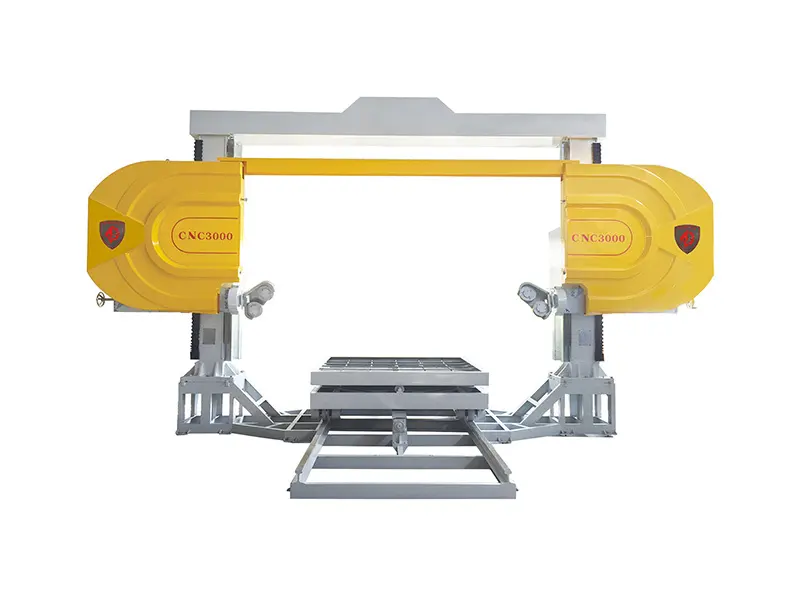
1. Explain the working principles of diamond blades and diamond wires; 2. Compare cutting depth
Working Principles of Diamond Blades
Diamond blades work on the principle of abrasion and temperature stability. As the blade rotates, the diamonds embedded in the outer rim of the blade act as cutting edges. These diamonds are incredibly hard, allowing them to slice through stone with precision and speed. The working surface of a diamond blade consists of diamond particles bonded together with a metallic or resin matrix that holds them in position while allowing for the proper cutting action.
The effectiveness of a diamond blade can be attributed to the following features:
Diamond Size and Quality: The size and quality of the diamonds used significantly affect the blade’s performance. Larger, high-quality diamonds enable more efficient cutting while ensuring a cleaner finish.
Bonding Matrix: The bonding agent (metal or resin) holds the diamonds in place and determines how the blade performs under different conditions. A softer bond will wear out quickly in hard materials but allows for faster cutting, while a harder bond will last longer but may cut more slowly.
Cutting Speed and Rotation: The rotational speed of the blade also plays a critical role. Higher speeds generally lead to faster cutting, making diamond blades particularly effective for straight, slab and block cuts.
This technology is most often deployed for applications that require straight, clean cuts, such as cutting stone slabs for countertops or flooring. Diamond blades are particularly efficient when dealing with softer types of stone, such as marble and limestone, where their speed and durability make them ideal.
Working Principles of Diamond Wires
In contrast, diamond wires operate based on a different mechanism. A diamond wire saw consists of a thin steel wire that is coated with diamond particles. These particles are typically distributed at regular intervals, allowing for effective cutting action without requiring an excessively thick material, which can be cumbersome.
Here are some essential aspects of how diamond wire saws work:
Flexibility: The flexibility of the wire allows it to navigate around curves and intricate shapes effectively. This characteristic is particularly useful when cutting irregular or complex shapes that cannot be easily managed by a traditional diamond blade.
Continuous Cutting Action: As the wire loops around pulleys and is fed through stone, the continuous cutting action provides a clean finish and reduces chipping or fraying at the cut edge.
Reduced Heat Generation: The diamond wire’s design minimizes friction, which helps lower the heat generated during the cutting process. This results in less thermal stress on the stone, reducing the risk of crack formation.
Diamond wire saws excel in deep quarry cutting, where their ability to accommodate irregular shapes and complex contours comes into play. They are particularly advantageous when dealing with thicker stone slabs or when maximum precision is required, making them a favored choice in quarry operations.
Comparing Cutting Depth
When comparing the cutting depth of diamond blades and diamond wires, the differences become apparent based on both their design and the intended application.
Diamond blades generally have a maximum effective cutting depth governed by their size and the motor equipment they're paired with, typically in the range of a few inches. Although they work efficiently for straightforward or shallow cuts, they may not be the best choice for situations requiring great depth or extensive material removal.
On the other hand, diamond wires demonstrate a remarkable capability for cutting deeper into stone. This is largely due to their flexibility and the continuous nature of their action, which allows for cutting through material more effectively in quarry settings where depth is crucial. The ability of diamond wires to handle complex shapes and navigate deeper, while providing a cleaner and more precise cut, makes them the preferred option for more intricate stone quarrying operations.
Ultimately, choosing between diamond blades and diamond wires for stone cutting will depend significantly on the specific requirements of the job at hand. For straightforward slab or block cuts, diamond blades remain efficient and effective, while diamond wires offer unparalleled advantages in scenarios requiring deep, irregular, or complex shaping.
kerf loss
Kerf Loss
When it comes to stone cutting, two prominent tools frequently come into consideration: diamond blades and diamond wire saws. While both serve the primary function of efficiently cutting through various types of stone, each comes with its own set of advantages and limitations, particularly in terms of kerf loss—a critical factor in any stone-cutting endeavor. In the realm of "diamond blade vs diamond wire," understanding kerf loss can help professionals make informed decisions tailored to specific applications and geometrical challenges.
What is Kerf Loss?
Kerf loss refers to the material that is lost during the cutting process, essentially the width of the cut made by the blade or wire as it slices through the stone. This loss is not trivial; in fact, it can significantly impact both the cost-efficiency and yield of any stone cutting project. In stone fabricating industries, reducing kerf loss is crucial for maximizing the value derived from raw materials. An efficient cutting method should ideally minimize kerf loss while maintaining precision, speed, and the ability to handle various shapes and forms.
Diamond Blades and Kerf Loss
Diamond blades are often employed for straight slab and block cuts, ideal for creating smooth and uniform surfaces. Their design typically features a steel core bonded with diamond segments, which not only enhances cutting efficiency but also determines kerf width. The standard kerf loss incurred when using diamond blades can be anywhere from 1/8 inch to 1/4 inch, depending on the blade's thickness. This relatively wider kerf is a critical factor to consider when making cuts from expensive limestone, granite, or marble materials.
Moreover, the efficiency of diamond blades can be affected by several variables, including blade speed, feed rate, and material hardness. While using a blade designed for smooth cuts may optimize kerf loss, it may not always be feasible for deeper or more intricate cuts. Consequently, when choosing a stone cutting blade, contractors must weigh the importance of optimizing kerf loss against the type of stone and the particular cutting application.
Diamond Wire Saws and Kerf Loss
In contrast, diamond wire saws offer significant advantages when it comes to reducing kerf loss. Utilizing a series of diamond bead wires strung on a flexible cable, these saws can make cuts that are typically narrower than those made by traditional diamond blades. The kerf loss generated by diamond wire saws can be as slim as 1/16 inch to 1/8 inch, depending on the configuration of the wire. This narrower cutting method can lead to substantial material savings, particularly in the case of irregular or complex shapes commonly seen in quarry operations.
The flexible nature of diamond wire saws allows operators to execute deep cuts without compromising the precision required for detailed work. This adaptability makes diamond wire saws especially beneficial for intricate applications, including quarrying oversized blocks or producing unique, artistic stone pieces. When faced with complex geometries, the reduction in kerf loss can help ensure not only efficiency but also the conservation of precious stone materials.
Selecting the Right Tool for the Job
Ultimately, the choice between diamond blades and diamond wire saws will depend on a variety of factors, including the specific application, geometry, and the type of stone being cut. For straightforward cuts on predictable slabs, diamond blades may be sufficient, though users must remain mindful of the kerf loss involved. On the other hand, when dealing with intricate designs or larger stones, diamond wire saws provide a compelling case for their efficiency and reduced kerf loss.
In the battle of "diamond blade vs diamond wire," the disparity in kerf loss plays a vital role in how projects are approached and executed. The goal should always be to align the cutting method with the project’s specific requirements, ensuring the best outcomes possible while minimizing waste—a fundamental principle in resource management in the stone-cutting industry. Ultimately, whether one opts for a stone cutting blade or a diamond wire saw, being informed about kerf loss can empower fabricators to achieve optimal efficiency and precision in their cutting endeavors.
speed
Speed in Stone Cutting: Analyzing Diamond Blade vs Diamond Wire
When it comes to stone cutting, the choice between diamond blades and diamond wires is often a crucial consideration for contractors and stone fabricators. Among many factors, speed stands out as an essential metric for determining the efficiency and overall productivity of the cutting process. This aspect itself can greatly influence project timelines, labor costs, and even the final quality of the finished stone product.
Diamond Blades: Quick and Efficient for Straight Cuts
Diamond blades are widely recognized for their ability to make quick and efficient straight cuts. Designed specifically for slab and block cutting, these blades excel in applications where speed is of paramount importance. When using a diamond blade, operators can achieve a high speed due to the blade's rigid structure and the design that allows for quick penetration through the stone. This makes them ideal for projects that require uniformity and precision across large surfaces such as kitchen countertops, flooring, and wall cladding.
The design of diamond blades typically features segments that are embedded with industrial-grade diamonds, allowing them to tackle harder materials with ease. When cutting straight slabs or blocks, diamond blades often deliver output rates that can be two to three times faster than other methods. This high-speed performance is compelling for those under tight deadlines or working in a fast-paced environment where time is money.
Moreover, diamond blades tend to be less sensitive to cutting direction and orientation. This versatility means that operators can navigate their tools smoothly across a surface, resulting in shorter downtime for adjustments or repositioning. The reliability of diamond blades for continuous cuts positions them as a go-to option in many commercial cutting scenarios, especially when handling granite, marble, or concrete.
Diamond Wire: Promoting Precision in Complex Cuts
On the other end of the spectrum, diamond wire saws shine when it comes to cutting deeper or more complex shapes. These tools use a thin wire that is coated with diamond segments, allowing for a flexible yet powerful cutting action. While their primary advantage over blades might not be speed in traditional definitions, they can actually lead to significant overall time savings in certain scenarios.
The true power of diamond wire lies in its ability to produce intricate cuts that would be virtually impossible to achieve with a conventional blade. Designing intricate architectural features or complex shapes typically requires a higher degree of finesse, and this is where the diamond wire saw excels. Its flexibility allows it to navigate sharp contours, curves, and irregular features without sacrificing the speed at which it can operate, especially when dealing with large pieces or quarry blocks.
Diamond wire saws maintain a high cutting speed while reducing the risk of chipping or damaging the stone. Furthermore, the reduction of friction and heat is beneficial for preserving the integrity of the material being cut. For applications that demand precision over speed, such as in sculpture or artistic stoneworks, the investment in a diamond wire saw can lead to an overall acceleration of project delivery thanks to its versatility and ability to produce refined results.
Choosing Between Speed and Precision
Ultimately, the speed of either cutting method comes down to the specific application and geometry involved in the project. For contractors focusing on high-volume, straight cuts where efficiency needs to be maximized, diamond blades are often the clear favorite. However, for stone cutting involving more complex geometric designs or deeper cuts—where intricate detail is paramount—diamond wire saws become indispensable despite their slower linear speed.
It is also important to note that new advancements in both technology and material design are continually pushing the boundaries of speed for both diamond blades and wires. Hybrid approaches and composite machinery may soon redefine expectations altogether, merging the best attributes of both methods for enhanced efficiency.
In conclusion, the decision between diamond blades and diamond wire saws regarding speed and efficiency hinges on the unique demands of each project. Whether one opts for the rapid output of a diamond blade or the intricate capabilities of a diamond wire saw, understanding the application and geometry requirements will lead to the most effective choice in stone cutting technology.
and accuracy; 3. Review slab
When considering the optimal tools for stone cutting, the debate between diamond blades and diamond wire saws emerges as a central theme. Both methods hold unique advantages depending on the application, geometry, and specific needs of the project at hand. One critical aspect of this decision-making process revolves around accuracy, particularly when it comes to the intricacies of slab review and preparation.
Accuracy in Stone Cutting
Accuracy is paramount in the stone cutting industry, particularly when working with high-end materials that demand precision in both dimensions and finish. The term "accuracy" encompasses not just the precision of the cutting but also the quality of the finished product. For example, when cutting slabs or large blocks of stone, the requirement for consistent thickness and uniformity is essential.
This is where diamond blades come into play. Designed specifically for straight cuts, they offer a high degree of accuracy in flat applications. Stone cutting blades are often embedded with diamond particles, granting them robust scuffing capabilities. This feature enables the blades to maintain a straight cut with minimal deviation, ensuring that every slab or block is cut to the desired dimensions.
In addition to their efficiency in achieving smooth surfaces, diamond blades provide a clean cut that reduces the need for further finishing. This is particularly beneficial for applications where aesthetic quality is essential, such as countertops, tiles, or architectural features. The precision with which diamond blades cut can reduce material waste, translating to cost savings and sustainable practices in the stone mining and fabrication industry.
Review of Slab Cutting Techniques
When examining specific cutting techniques, particularly for slabs, it's necessary to evaluate the reviewed methods associated with diamond blades. Given their propensity for handling straight cuts efficiently, they are the go-to choice for tasks where geometric shapes are well-defined. The predictable nature of the blade allows operators to plan cuts more effectively, which is crucial when assessing the overall yield from a given slab.
Diamond blades, especially when utilized in a wet cutting scenario, can further add to the accuracy by minimizing dust creation and improving visibility during the cutting process. Water cools the blade and lubricates the cut, resulting in a smoother operation that not only enhances the tool's life but also ensures that the cuts remain true.
The Role of Diamond Wire Saws
Contrasting the diamond blade, diamond wire saws excel in applications that involve deeper cuts and irregular shapes. Their ability to maneuver through complex structures offers a significant advantage when dealing with challenging quarry shapes. The diamond wire consists of multiple small diamonds strung along a wire, allowing for greater flexibility and adaptability in the cutting process.
In terms of accuracy, diamond wire saws provide a different set of benefits. They can cut through intricate designs and curves that would leave diamond blades struggling. This adaptability allows fabricators to create unique, custom shapes that cater specifically to the architectural or artistic intent of the project. However, this versatility comes at the cost of greater operational skill and more intensive planning.
The wire saw tends to be less accurate than a well-placed and maintained blade when working with simple, flat slabs due to its inherent flexibility. It requires a different approach in terms of preparation, as the speeds, tension, and angles must be intricately balanced to achieve the desired precision.
Choosing the Right Tool for the Job
Ultimately, the choice between diamond blades and diamond wire saws is dependent on the specific requirements of the project, including stone type, size, thickness, and the nature of the cuts required. For straightforward, linear cuts, diamond blades excel, offering high accuracy with clean results. On the other hand, if the project demands intricate, complex cuts or deep-shaped quarry work, the diamond wire saw outshines its counterpart.
Industry professionals must assess the project metrics carefully, considering not only the geometry of the stones being cut but also the intended application of the final pieces. Each tool serves its purpose, and the best choice often emerges from a nuanced understanding of these factors rather than a simple preference for one over the other. In conclusion, when debating diamond blade versus diamond wire for stone cutting, the decision should be approached with a strategic mindset focused on precision, efficiency, and suitability for the task at hand.
block
Block: The Comparative Advantages of Diamond Blade and Diamond Wire in Stone Cutting
In the ever-evolving world of stone cutting, two significant technologies vie for dominance: diamond blades and diamond wire saws. Each method offers distinct advantages, tailored to specific applications, materials, and cutting requirements. Understanding these differences is essential for stone fabricators, contractors, and quarry operators who must choose the optimal tool for their projects. As we dive into the intricate landscape of stone cutting methodologies, we will explore the comparative features, efficiencies, and suitability of diamond blades and diamond wire, particularly in the context of cutting solid blocks of stone.
Diamond Blades: Efficiency in Straight Cuts
Diamond blades are adept at cutting both stone slabs and blocks, excelling particularly in producing accurate straight cuts. These cutting instruments consist of a steel core with diamond particles embedded in the rim, making them robust and reliable for various stone materials, including granite, marble, and limestone. Their design allows for swift cuts with minimal waste, making diamond blades a favorable option for tasks that involve clear-cut geometry.
When it comes to handling blocks of stone, diamond blades shine in scenarios where precision is paramount. For example, when a contractor needs to produce uniform slabs from large boulders or blocks, a diamond blade can achieve that quickly and effectively. The linear cutting action minimizes the risk of chipping and ensures that the finished pieces meet strict dimensional specifications.
Moreover, diamond blades are generally quicker to set up and operate than diamond wire saws. For projects requiring swift turnaround times, especially those involving multiple blocks or shallow cuts, the high-speed performance of diamond blades is indispensable. However, this efficiency comes with limitations; the rigidity of the blade design restricts its ability to navigate complex shapes or convoluted patterns, proving less effective for intricate stonework like detailed carvings or designs requiring round cuts.
Diamond Wire Saws: Versatility in Irregular Cuts
In contrast to their rigid counterparts, diamond wire saws utilize a series of diamond-embedded wires, providing remarkable flexibility. This characteristic enables diamond wire saws to maneuver through complex, irregular shapes and deep cuts with precision that diamond blades cannot match. When in the quarrying process, where large, unwieldy blocks must be extracted, the ability of a diamond wire saw to perform intricate and irregular cuts is invaluable.
Diamond wire saws are particularly effective in the extraction phases of quarry operations, where they can handle deep drilling into stone formations without significant waste. This method allows for a more creative approach to extraction, as it can effectively execute cuts around natural veins, fissures, and inclusions found in stone materials. The use of diamond wire saws reduces the risk of splitting the stone during cuts, enabling larger blocks to be extracted from quarries that might otherwise succumb to the stresses of traditional cutting methods.
Another advantage of diamond wire saws lies in their ability to operate at lower power consumption levels compared to diamond blades. This efficiency stems from the continuous cutting action facilitated by the flexibility of the wire. Therefore, for operators focused on energy efficiency and cost-effectiveness—especially in large-scale quarry settings—diamond wire saws represent a progressive alternative.
Choosing the Right Tool Based on Application
Ultimately, the choice between diamond blade and diamond wire saw for stone cutting hinges upon the specific requirements of the job at hand. Projects that demand rapid, straightforward cuts with high precision will most likely favor diamond blades. In contrast, applications requiring deeper, highly complex, and irregular cutting will benefit from the adaptability of diamond wire saws.
Furthermore, the decision should also consider the geometry and dimensions of the stone. For instance, if the project entails cutting decorative stone pieces, intricate designs will necessitate the nuanced capabilities of diamond wire saws. On the other hand, if the task involves preparing stone blocks for construction or fabrication, the efficient straight cutting of diamond blades is ideal.
In conclusion, navigating the world of stone cutting tools requires a comprehensive understanding of the properties and advantages of both diamond blades and diamond wire saws. Adopting the right technology for the application not only enhances productivity but also ensures that the quality of the final pieces meets the high standards of craftsmanship expected in the industry. Crafting works of art from stone, whether it be tiles for a luxurious floor or artistic sculptures, lies fundamentally in the decision of which cutting method to utilize—diamond blade or diamond wire saw.
quarry
Quarry: The Heart of Stone Processing and Cutting Techniques
The world of stone cutting is intricate and multifaceted, with a variety of methods and tools designed to achieve precise, efficient results. Within this domain, diamond blades and diamond wire saws stand out, each having unique advantages suited for different types of cutting tasks. In a quarry setting, where raw stone is extracted, the choice between a diamond blade and a diamond wire saw can impact not just the quality of the cut, but also the overall efficiency of the operation.
The Role of Quarry Operations in Stone Processing
Quarries serve as the initial stage in the stone production cycle, where large blocks of stone are extracted from the earth. The raw materials retrieved must be processed into manageable, usable sizes for construction, sculpture, and other applications. It is here that the choice between a diamond blade vs. diamond wire can significantly influence operational effectiveness. Quarries often deal with tough, irregular shapes and large volumes of stone, making the selection of cutting methods crucial.
Diamond Blade: Efficiency in Straight Cuts
Diamond blades have long been favored for their efficiency in making straight cuts, particularly when slicing through slab and block formations. Comprising a steel core embedded with diamond segments, these blades are designed to withstand the intense stresses of stone cutting. In a quarry environment, where operators might be focused on producing uniform slabs or quickly reducing block sizes, diamond blades prove effective due to their high-speed performance.
For example, when quarries need to create standard-sized blocks for larger construction projects, the precision and rapid cutting speed of diamond blades make them preferable for these straightforward applications. Their ability to deliver clean cuts means less time spent on finishing processes, allowing quarries to maximize production.
However, it’s important to note that while diamond blades excel in straight cuts, they may face limitations when confronted with complex geometries or deep, irregular shapes—a scenario frequently encountered in quarries.
Diamond Wire Saw: Mastering Complex Shapes
In contrast, diamond wire saws are specifically engineered for more intricate cutting tasks. These tools employ a wire embedded with diamond segments that allows for precise and flexible cutting, making them incredibly beneficial in a quarry filled with varying shapes and sizes of stone. The wire can navigate deeper cuts and complex contours, accommodating irregular stone formations that a traditional diamond blade might struggle with.
This flexibility is particularly advantageous for quarries that deal with decorative stones or stones with architectural applications that require bespoke shapes. The efficiency of diamond wire saws in reducing waste material also plays a critical role in preserving the valuable stone, thus proving economically beneficial.
The operational dynamics of diamond wire saws allow them to run cooler than traditional blades, reducing the risk of thermal damage to the stone. This feature not only prolongs the life of the tool but also results in higher quality cuts, which is invaluable for both aesthetic and structural purposes.
Choosing the Right Tool for Quarry Applications
The debate of diamond blade vs. diamond wire ultimately hinges on the specific needs of the quarrying operation. For tasks that call for speed and efficiency in making simple, straight cuts, diamond blades are typically the way to go. They are less expensive and easier to manage, making them ideal for quarries focusing on mass production of uniform blocks.
Conversely, for quarry environments where geometry becomes more complicated—where deeper cuts or irregular shapes are the norm—diamond wire saws offer unparalleled precision. They can not only tackle a broader range of geometrical challenges but do so with minimal waste, an essential factor when operating within the competitive landscape of stone processing.
Ultimately, successful quarry operations involve leveraging both tools in a manner that aligns with the specific characteristics of each project. Strategic selection based on the application, geometry, and stone type can yield optimal results, ensuring that quarries meet their production goals efficiently while maintaining quality throughout the cutting process. As technology continues to develop, the tools available for stone cutting will likely evolve, but the core choice between diamond blades and diamond wire saws will remain relevant in the quarrying landscape.
and complex-shape applications; 4. Compare equipment investment and operating costs; 5. Discuss material waste
When it comes to stone cutting, choosing the right tool is imperative for achieving precise results while minimizing waste and maximizing efficiency. Among the most prevalent options in the field are diamond blades and diamond wire saws, each designed for specific purposes and types of cuts. The comparative analysis of these two cutting technologies reveals their strengths and weaknesses, especially when focusing on complex-shape applications, equipment investment and operating costs, and material waste.
Complex-Shape Applications
The fundamental difference between diamond blades and diamond wire saws lies in their cutting capabilities, particularly when it comes to handling complex shapes and intricate designs. Diamond blades excel in making clean, straight cuts in slabs and blocks of stone. They are ideal for applications where the geometry is straightforward, such as cutting tiles or making clean edges in stone countertops. However, their design restricts their effectiveness when dealing with more intricate shapes or detailing.
In contrast, diamond wire saws prove indispensable in complex applications, such as quarrying or creating custom-cut stone pieces. The wire's flexibility allows it to navigate tight curves and angles, ensuring that intricate designs can be achieved without compromising precision. This is particularly advantageous when working with valuable natural stones, where the intricacy of design can significantly enhance their marketability and value. Moreover, diamond wire saws enable operators to cut more deeply into stone, facilitating the performance of more complex shapes that may be required in architectural masterpieces or bespoke stone installations.
Equipment Investment and Operating Costs
When evaluating diamond blades versus diamond wire saws, the initial equipment investment and ongoing operating costs play crucial roles in the decision-making process for stone fabrication businesses. Diamond blades are generally more affordable than diamond wire saws, making them an attractive option for smaller operations or companies focused on cutting straightforward stone shapes. The lower upfront cost of blades allows businesses to allocate resources elsewhere, potentially investing in additional efficiency-enhancing machinery or hiring skilled labor.
However, while diamond blades may seem cost-effective initially, their operating costs can accumulate over time. Blade wear can lead to the need for frequent replacements, especially when cutting harder stone types. As blades become dull, they not only require greater force to achieve a cut, which can lead to increased energy consumption, but they may also waste more material due to inaccuracies in cuts or chipping at the edges.
Conversely, diamond wire saws entail a higher initial investment due to their sophisticated machinery, including wire handling systems and more intricate setups. However, their operational costs can present a different picture. Diamond wire saws tend to have longer service lives than traditional blades, requiring less frequent replacement. Their efficiency in cutting shapes can result in higher yield from the stone, translating into less waste, which can ultimately lead to reduced raw material costs. The combination of decreased material waste and extended tool longevity can balance out the initial investment, making diamond wire saws a financially viable option for businesses specializing in custom or complex cuts.
Discussing Material Waste
Efficiency in stone cutting is heavily influenced by material waste, an essential factor for both cost management and environmental sustainability. When utilizing diamond blades, waste can accumulate due to the necessity of blade adjustments and the inherent limitations in handling intricate designs. Each slab cut often results in remnants that may not be reusable for other projects, raising costs and complicating waste disposal.
In contrast, diamond wire saws are engineered to minimize these concerns. Their ability to cut with greater precision and flexibility allows for clever utilization of stone pieces, often leading to higher yield rates. The thinner profile of the wire saw reduces the kerf, or the width of material removed during a cut, which can considerably decrease waste. This precision is especially advantageous when working with high-value stones, as less material lost equates to improved profitability and less environmental impact.
Ultimately, the choice between diamond blade versus diamond wire saw hinges on the specific requirements of the stone cutting project at hand. While diamond blades shine in their simplicity and effectiveness for straight cuts, diamond wire saws offer unparalleled flexibility for complex shapes and intricate designs. By carefully weighing the investment costs, operating expenses, and potential material waste, stone fabrication businesses can make informed choices that align with both their operational needs and profit objectives.
noise
Noise: A Critical Factor in the Diamond Blade vs Diamond Wire Debate
When it comes to stone cutting, an often-overlooked aspect can make a significant difference in choice and performance: noise. The sound produced during the cutting process plays a crucial role in various applications, influencing operator comfort, the surrounding environment, and even the performance of the tools themselves. In comparing diamond blades and diamond wires for stone cutting, understanding the noise generated by each method becomes vital.
The Sound of Efficiency: Diamond Blades
Diamond blades are widely revered for their efficiency, particularly in making straight slab and block cuts. As they slice through stone with high precision, the sound produced is often a high-pitched whirring or sawing noise. This sound can vary based on the type of stone being cut and the speed of the saw. Generally, diamond blades create a consistent and predictable noise level, which can be beneficial for operators who need to monitor the sound as an indicator of cutting performance.
One advantage of diamond blades is their relatively low noise profile compared to other cutting methods. Many manufacturers now produce blades designed for reduced sound emissions, allowing operators to work in noise-sensitive environments, such as residential areas or near schools. The resonant frequencies can be managed through sound-dampening technology, making it easier for workers to communicate while cutting. This can lead to a more comfortable working environment, especially in prolonged cutting operations.
The Whisper of Diamond Wires: Deep Cutting Capabilities
In contrast, diamond wire saws produce a different auditory experience altogether. As they comprise a series of small diamond-embedded wires, they generate a unique sound that is often softer and less intrusive than that of traditional blades. This can be advantageous in applications where noise is a significant concern. The music of the diamond wire's cutting process resembles a continuous hum or a gentle buzzing rather than the aggressive shriek of circular saw blades.
This quieter operation is particularly beneficial in deep, irregular quarry cutting and complex shapes. Operators can utilize diamond wire saws for intricate designs without causing excessive noise pollution. Additionally, because the wires move through stone with less friction, they often result in less vibration, leading to less disruptive noise during the operation. The reduced noise level also enhances operator focus and lowers the stress associated with a noisy environment while improving communication among team members.
Choosing the Right Tool: Noise Considerations in Application
When deciding between diamond blades and diamond wire saws, the sound output is an important criterion to consider alongside application needs and geometry requirements. For straightforward slab and block cuts, diamond blades may excel due to their efficiency and ease of use. The steady noise they produce provides a reliable marker for operators to gauge the progress of their cuts and alert colleagues nearby.
Conversely, for projects involving deep or irregular shapes, a diamond wire saw is often the better choice, not just for its ability to navigate complex geometries but also for the peace it brings to workers on the site. In instances where construction occurs near residential buildings or public spaces, the reduced noise emission from diamond wire saws makes them the preferred option.
Ultimately, the best choice between diamond blade and diamond wire comes down to the specific application requirements, including geometry and desired noise levels. For construction sites where peace and quiet are paramount, the benefits of using a diamond wire saw to minimize auditory disruption cannot be underestimated.
Moreover, workplace regulations and community standards often dictate acceptable noise levels during various operations. By carefully weighing the noise produced by each tool against the project requirements, operators can make informed choices that comply with regulations while maximizing performance.
In essence, when it comes to stone cutting methods, the subtleties of sound should not be merely an afterthought. Understanding how diamond blades and diamond wires generate noise, together with their respective cutting efficiencies, offers a decisively clearer picture of their practicality in differing environments. As the industry evolves, advancements in both technology and noise management will likely continue to reshape these discussions, enhancing both the craftsmanship of stone cutting and the comfort of those performing the work.
cooling
Cooling: The Fundamental Factor in Diamond Blade and Diamond Wire Efficiency
The Necessity of Cooling in Stone Cutting
In stone cutting operations, excessive heat can present a myriad of challenges. If the cutting tool overheats, not only can it lead to shorter tool life, but it can also compromise cut quality and shape. Every stone cutting method has its own cooling requirements, and the appropriate cooling system is essential for maintaining blade integrity, maximizing cut precision, and ensuring operator safety.
Generally, diamond blades excel at making straight cuts in slabs and blocks, typically utilizing a combination of water and air to cool the blade during operation. These methods facilitate effective heat dissipation, preventing the blade from overheating. The cooling fluid works to absorb heat generated during the cutting process, lowering temperatures to levels that prevent thermal expansion and distortion of both the blade and the material being cut.
On the other hand, diamond wire saws function differently, relying heavily on a continuous cooling system entailed in their design. The wire, inseparably bonded with diamond segments, allows for a unique cooling mechanism where water serves as the primary coolant. The water is circulated through the cutting area, enveloping the diamond wire and efficiently carrying away the heat produced during operation. This not only ensures temperature regulation but also enhances cutting performance in more challenging applications.
Cooling Mechanisms in Diamond Blades
Diamond blades are fundamentally designed for maximum cut efficiency, particularly when slicing through materials with straight, standard geometries. The cooling process in blade cutting typically involves using a liquid coolant, often water mixed with an appropriate additive to enhance its cooling properties. This mixture is delivered to the cutting area using a variety of methods, including drip systems, misting sprays, or flooded cutting.
The advantage of incorporating cooling systems with diamond blades is twofold. Firstly, the cooling mechanism prevents blade warping by moderating temperatures. Secondly, it aids in clearing out debris from the cutting process, contributing to cleaner cuts and less wear on the blade. For instance, during a straightforward slab cut, this ability to keep the cutting area clear and cool allows for deeper and more controlled cuts, maximizing the efficiency of the tool.
Cooling Dynamics in Diamond Wire Saws
When examining diamond wire saws, their cooling requirements differ significantly due to their operational modality. The wire's capacity to cut through deeper, irregular shapes and complex forms is heavily influenced by the cooling mechanisms employed. Here, water plays a central role, being continuously supplied to the cutting wire during operation.
Unlike blades, the wire saw's design inherently integrates the cooling procedure into its functionality. Because it uses a thin, continuous wire that cycles rapidly through the cutting material, the cooling process is paramount. The water acts as both a coolant and a lubricant, aiding the wire's movement and reducing friction against the stone. As a result, diamond wire cutting can effectively manage heat even in the most demanding quarry applications where the stone exhibits complex geometries or irregular surfaces.
Furthermore, the consistent water flow minimizes thermal stress on both the wire and the stone, allowing for cuts that are not only deeper but also precise—ideal for applications requiring meticulous detail and accuracy, such as intricate sculptures or architectural designs. This characteristic makes diamond wire saws especially popular in quarry settings, where differentiable stone shapes often complicate the cutting process.
Ultimately, the cooling strategies of diamond blades and diamond wire saws are tailored to the specific cutting needs dictated by the application and stone geometry. Both have their advantages: diamond blades offer efficiency in straight cuts, while diamond wire saws excel in handling complex and irregular shapes. The selection between these two cutting technologies should, therefore, be informed by the unique cooling requirements that each method necessitates, ensuring that operators achieve optimal results in their stone cutting endeavors. In the ongoing debate of diamond blade vs diamond wire, understanding the pivotal role of cooling becomes indispensable, reinforcing the importance of upholding tool efficacy while navigating the intricacies of diverse cutting methodologies.
and maintenance; 6. Analyze safety and production flexibility; 7. Provide application-based recommendations
When it comes to the stone cutting industry, the choice between diamond blades and diamond wires can significantly impact operational efficiency, production flexibility, and safety. To make the most informed decision, it is crucial to analyze these factors comprehensively, especially in the context of specific applications like stone cutting.
Maintenance Considerations
Both diamond blades and diamond wire saws are engineered for durability and precision in cutting hard materials such as granite, marble, and other stone types. However, their maintenance requirements can vastly differ.
Diamond Blades, while robust, do require regular inspection and occasional maintenance to ensure optimal performance. For instance, the blade's cutting edge can wear down over time and may need to be dressed to restore its cutting efficiency. This dressing process can be labor-intensive but is crucial for maintaining the blade's performance in straight slab and block cuts. Proper storage and cleaning after use can further extend the life of diamond blades.
On the other hand, diamond wire saws emphasize longevity and low maintenance. The wire, composed of small diamond segments attached to a steel cable, requires less adjustment than blades. Once correctly tensioned, the wire can operate effectively for longer durations without frequent interruptions. However, when replacement is necessary—due to breakage or wear—the task may require more comprehensive equipment handling, particularly in larger formats where coordination and safety measures must be adhered to ensure a feasible swap.
Analyzing Safety and Production Flexibility
Safety and production flexibility are critical considerations, particularly in tasks that involve high-risk cutting operations. Diamond blades typically offer improved visibility and simplicity in handling, making them favorable for operators who need predictable cutting paths, especially during straight slab and block cuts. The risk of kickback is minimized in straightforward operations, and proper operational training can greatly enhance safety.
In contrast, diamond wire saws present unique safety challenges and advantages, particularly in irregular and complex-shape cutting. The wire saw can maneuver into tight spaces and offer the flexibility to alter cutting angles mid-operation. This capability is particularly useful in quarry environments where irregular blocks are common; however, the high tensile strength of the wire poses a potential risk if not operated correctly. For example, a misstep can result in entanglement, leading to injury. Thus, operators need comprehensive training and adherence to safety protocols, particularly in environments where complex cuts are necessary.
From a production standpoint, diamond wire saws exhibit superior versatility. Their ability to create deep, irregular cuts is a game-changer in quarrying applications. Where diamond blades may falter in depth or the ability to navigate contours, the diamond wire saw can achieve a level of precision that opens up new opportunities for stone processing.
Application-Based Recommendations
Ultimately, the choice between diamond blades and diamond wire saws hinges on the specific application and geometry of the stone being processed. For straightforward applications, such as cutting slabs and blocks, diamond blades remain a practical choice. Their straightforward setup, faster cutting speeds, and ease of maintenance can lead to higher efficiency in these operations.
Contrastingly, for complex forms, intricate designs, or deeper cuts typically found in quarry operations, diamond wire saws should be prioritized. Their unmatched capability in handling irregular shapes makes them an indispensable tool in environments where precision cutting is paramount.
In addition, businesses should consider their operational scale and specific cutting needs when deciding between these tools. Investing in a diamond wire saw may seem like a more substantial upfront cost, but the potential for increased production flexibility and reduced waste can yield significant long-term savings.
In summary, while both diamond blades and diamond wire saws have their respective advantages, careful consideration of maintenance, safety, production flexibility, and application suitability is essential for any stone cutting operation. The right choice between diamond blade vs. diamond wire ultimately depends on the end goals and specific cutting demands of the project at hand.
Conclusion
In the realm of stone cutting, the debate between diamond blades and diamond wire is not merely a technical discussion; it reflects the evolution of technology in an industry where precision and efficiency are paramount. With a decade of experience under our belt, we've witnessed firsthand how each tool has its unique strengths. Diamond blades offer speed and simplicity, making them ideal for straightforward cuts and smaller projects. On the other hand, diamond wire shines in larger-scale operations, providing incredible flexibility and allowing for more intricate designs and delicate touches. Ultimately, the choice between the two comes down to your specific project needs and desired outcomes. As you navigate the options available, remember that investing in the right cutting tool can significantly enhance productivity and quality. With a decade of knowledge and expertise, we're here to guide you in making informed decisions that set the foundation for your success in stone cutting. Whether you opt for the rapid efficiency of diamond blades or the precision of diamond wire, rest assured that both tools can elevate your craftsmanship to new heights.
Table of Contents
GET IN TOUCH WITH Us
Compare CNC diamond wire saw, block dressing wire saw, travelling, portable and multi-wire saws by stone type, cutting requirements, production output, material handling and installation conditions.
Wisdom Machinery is a professional manufacturer of high-quality stone processing machines.
LINKS
PRODUCT
CONTACT US
Contact Person: Andrew An
Phone Number: +86-15960408060
Email: andrewan@foxmail.com
WhatsApp: +86-15960408060
Address: 486th Wuliqiao Road, Wuli Bridge Development Zone, Shuitou Town, Nan'an City, Fujian Province, China
+86-15960408060
Copyright © 2026 Wisdom Machinery Co., Ltd. |Sitemap