Please fill out the form below to request a quote or to request more information about us. please be as detailed as possible in your message, and we will get back to you as soon as possible with a response. we're ready to start working on your new project, contact us now to get started.
Granite Polishing Machine: Features For Consistent Slab Finishing
2026-09-22
Wisdom Machinery
15
Are you ready to elevate your stone finishing game? In the world of natural stone fabrication, achieving a flawless finish on granite slabs is both an art and a science. Enter the granite polishing machine—a powerful tool designed to enhance efficiency and precision in stone polishing. In our latest article, "Granite Polishing Machine: Features for Consistent Slab Finishing," we delve into the innovative features that make these machines essential for professionals seeking unparalleled results. From advanced technology that ensures uniformity to user-friendly designs that enhance productivity, discover how the right polishing equipment can transform your workflow and elevate the quality of your finished products. Join us as we explore the key attributes of granite polishing machines that guarantee a consistent, high-quality finish every time. Don't miss out on unlocking the secrets to perfect slab polishing—read on to find out more!
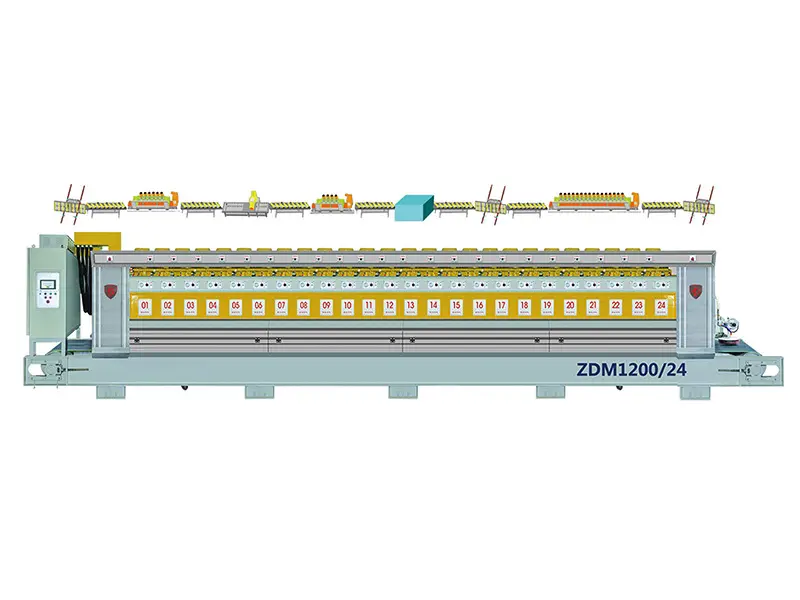
1. Explain granite polishing requirements; 2. Compare single-head
Granite Polishing Requirements and Comparison of Single-Head Machines
Granite polishing is a nuanced process that requires an intricate understanding of various factors to produce the best outcomes. As granite continues to be a popular choice for countertops, tiles, and various design projects due to its durability and aesthetic appeal, the need for reliable granite polishing machines has grown immensely. Modern granite polishing machines are designed to meet specific criteria that ensure granite slab polishing results in a flawless finish.
Granite Polishing Requirements
To achieve a high-quality finish when polishing granite, several essential requirements must be met:
Rigid Equipment: The integrity of the granite polishing machine has a direct correlation to the end quality of the polished slab. Rigid equipment minimizes vibrations during operation, which can lead to inconsistencies in surface texture. Sturdy frames constructed from high-quality materials, such as heavy-duty steel, not only resist wear but also ensure precision in machining. Thus, choosing a machine designed with rigidity in mind is paramount for effective granite finishing.
Durable Abrasives: The abrasives used in granite polishing should be robust enough to withstand the extensive wear associated with the hard surface of granite. Commonly, diamond abrasives are favored due to their exceptional hardness and longevity. A successful polishing process often employs a range of grits, beginning with coarser abrasives to effectively remove surface imperfections, then transitioning to finer grits to refine the surface. The durability of these abrasives impacts the machine's efficacy and contributes to a consistent finish.
Accurate Pressure Control: Consistency in pressure during the polishing process is vital. Over-pressurizing may lead to uneven surfaces or even damage to the granite, while under-pressurizing will not yield the desired finish. A quality granite polishing machine features advanced systems that allow users to monitor and adjust pressure settings dynamically. Such systems facilitate an optimized process tailored to the specific characteristics of the granite being polished.
Sufficient Water Flow: Water serves multiple functions in the granite polishing process, including cooling the grinding surface, reducing friction, and minimizing dust generation. An effective granite polishing machine must provide ample water flow to ensure that the polishing pads remain effective and to limit the buildup of heat. Adequate water usage creates a slurry that enhances the abrasive action, leading to superior finish quality.
Consistent Feed Speed: Uniform feed speed is crucial when polishing granite slabs. A variable feed system allows for an optimized workflow, which prevents unnecessary strain on both the machine and the slab. Automated systems can accurately control feed rates to provide a steady surface speed that aligns with the polishing pads’ movement, resulting in an even gloss across the entire surface.
Comparison of Single-Head Machines
When selecting a granite polishing machine, it’s essential to compare the capabilities of single-head machines with those of multi-head models. Single-head machines, in particular, offer simplicity and efficiency for smaller workloads. Their design means they are lightweight and easier to maneuver, allowing for precise control during the polishing process.
However, single-head machines may have limitations when dealing with larger slabs or more extensive projects. The speed and efficiency can be less than that of multi-head counterparts, which distribute the workload across several pads simultaneously. While single-head machines excel in producing exquisite finishes on small pieces and tight corners, they might require additional time and effort for larger surfaces.
Another point of comparison lies in cost: single-head granite polishers are generally more budget-friendly, making them suitable for smaller operations or professionals just starting in granite finishing. On the flip side, multi-head machines, while more expensive, can significantly speed up the polishing process, making them a worthy investment for larger businesses engaged in extensive work.
In the context of granite finishing equipment, a single-head granite polishing machine can still be a valuable asset thanks to its ease of use and precision. Choosing the right machine hinges on understanding the specific requirements of your projects and the unique attributes of various models, including the aforementioned factors.
Selecting the right granite polishing machine—including options such as an automatic granite polisher—plays a crucial role in delivering quality results. Investing time to understand the polishing requirements will ultimately ensure that the granite slab finishing you achieve meets the high standards that clients have come to expect.
multi-head
Multi-Head: Revolutionizing Granite Polishing Machines
When we talk about granite polishing machines, one of the most significant advancements in technology is the introduction of multi-head systems. Multi-head granite polishing machines are engineered to optimize the finishing process of granite slabs, ensuring that every surface is consistently polished to perfection. The evolution from single-head to multi-head machines in granite finishing equipment epitomizes the shift toward efficiency, durability, and precision in the stone processing industry.
The Mechanics Behind Multi-Head Technology
At the core of multi-head granite polishing technology is the ability to operate multiple polishing heads simultaneously. Traditionally, single-head machines required operators to run multiple passes over each slab, consuming valuable time and labor. Multi-head machines, on the other hand, leverage several heads working in unison, significantly speeding up the polishing process. This configuration allows for a more uniform and consistent finish, as each head can be specifically calibrated to a certain grit level for various stages of the granite polishing operation.
The design typically utilizes a rotating platform where granite slabs are securely held. The multiple polishing heads engage the surface simultaneously, with each head responsible for a different aspect of the polishing process. This can range from initial grinding and leveling to finer polishing stages, ultimately resulting in a beautifully finished product. The innovative technology involved in these machines ensures that the pressure exerted by each head remains consistent across the entire surface, promoting an even polish and avoiding the risk of uneven surfaces that are prevalent in less advanced setups.
Rigid Equipment for Precision and Durability
Granite polishing is an intricate operation that necessitates rigid equipment to withstand the harsh demands of the polishing process. Multi-head machines are constructed from robust materials, often featuring a heavy-duty frame that absorbs vibrations and maintains stability during operation. This rigidity translates into greater accuracy in polishing and minimizes the risk of defects caused by machine slippage or instability.
In addition, the durability of abrasives used in conjunction with multi-head polishing machines plays a pivotal role in achieving high-quality results. Specifically engineered diamond pads or segmented tooling are designed to handle the intense friction and heat generated during the polishing. These durable abrasives can endure the rigors of continuous operation while delivering an exceptional surface finish, ensuring that granite slabs emerge with a reflective shine that is both enduring and aesthetically pleasing.
Accurate Pressure Control for Optimal Results
Another critical feature of multi-head granite polishing machines is the ability to control pressure accurately. Each polishing head can be adjusted independently to apply precise pressure to the granite surface. This flexibility allows operators to set the optimal pressure based on the specific characteristics of the granite being processed, ensuring that softer stones are not over-polished, which can lead to damage, while harder stones receive adequate abrasion for a smooth finish.
Advanced control systems embedded in these machines enable real-time adjustments to pressure, offering operators the ability to react quickly to variations in the slab's surface or composition. This precision is especially advantageous in the production environment where time is of the essence and the need for consistency cannot be understated.
Sufficient Water Flow for Clean Operations
Granite polishing generates significant heat due to friction, which can wear down abrasives much faster if not properly managed. Multi-head machines are designed with integrated water systems that deliver a sufficient flow of water during operation. This not only cools the abrasives and the slab but also helps in removing slurry and debris, ultimately enhancing the life of both the tools and the granite surface.
The power and flexibility of the water flow system allow operators to adjust the amount of coolant based on the specific needs of the polishing job. This adaptability plays an essential role in maintaining a clean work environment, reducing the risk of abrasive contamination, and ensuring that the finish on the granite slab is consistently high-quality throughout the polishing process.
Consistent Feed Speed for Uniform Finishing
Lastly, multi-head granite polishing machines feature mechanisms to maintain a consistent feed speed throughout the operation. This ensures that every portion of the granite slab receives uniform attention from the polishing heads. With consistent feed rates, operators can achieve a balanced finish across all edges and surfaces, minimizing the risk of over-polished or under-polished areas that could detract from the overall appearance of the granite.
In conclusion, the multi-head granite polishing machine represents a significant leap forward in granite slab polishing technology, effectively blending precision, durability, speed, and consistency. The advantages provided by multi-head systems are reshaping the industry standards for granite finishing equipment. Through automated processes, accurate pressure control, and superior material management, these machines not only enhance efficiency but also deliver remarkable results that meet the expectations of both manufacturers and customers in the granite market.
and automatic polishing machines; 3. Review abrasive sequences and polishing pressure; 4. Discuss slab support
When it comes to achieving a flawless finish on granite slabs, selecting the right granite polishing machine is essential. The machinery must be robust and reliable, tasked with the dual responsibilities of maintaining high operational standards and delivering consistent results. Among the crucial aspects that contribute to successful granite finishing are the integration of automatic polishing machines, the review of abrasive sequences and polishing pressure, and the importance of slab support.
1. Automatic Polishing Machines
The modern granite polishing machine is often an automatic granite polisher, designed to streamline the polishing process. These machines utilize advanced technology to ensure consistent operation, which is a significant improvement over manual polishing methods. A key feature of automatic polishing machines is their ability to maintain uniformity in polishing across a large number of slabs. By employing a series of rotating abrasive pads in conjunction with programmable controls, the machine assesses the granite slab and adjusts its operations accordingly.
One of the primary advantages of using an automatic granite polisher is its capability to maintain a constant feed speed. This is vital because varied feed rates can lead to uneven polishing, resulting in unsightly surfaces. Moreover, these machines often come equipped with mechanisms for precise water flow, which is crucial for cooling the abrasives, reducing friction, and flushing away slurries produced during the polishing process. Such precision ensures that the granite surface not only achieves a shiny finish but also maintains its integrity without incurring damage during operation.
2. Review of Abrasive Sequences and Polishing Pressure
Choosing the right abrasive sequence is pivotal when it comes to granite slab polishing. An effective sequence typically starts with coarse abrasives that facilitate the removal of rough edges and imperfections. Gradually increasing the fineness of abrasives allows the polishing machine to refine the surface texture step-by-step, moving from coarse grits to finer ones until a high-gloss finish is achieved.
Polishing pressure is another critical variable that merits careful consideration. Adequate pressure must be exerted to ensure effective bonding between the abrasive and the granite surface. However, excessive pressure can lead to unwanted damage, such as scratches or chipping. An automatic granite polishing machine is equipped with feedback systems that allow operators to monitor and control polishing pressure accurately. This advancement empowers users to maintain the right balance, ensuring a uniform finish across the entire slab surface.
Durable abrasives play a vital role in this process. Typically made from materials like diamond or silicon carbide, these abrasives are designed to withstand the rigors of polishing granite. Their durability directly affects the quality of the finish obtained. As the abrasives wear down during use, they must still be effective in treating multiple slabs without losing their cutting efficiency. Regular inspections of the abrasives, alongside an understanding of their wear rates, can greatly optimize polishing results.
3. Discuss Slab Support
Slab support is an often-overlooked aspect of granite polishing that can significantly impact the results. An automatic granite polisher must incorporate robust and adjustable support systems to hold granite slabs securely in place while the polishing process occurs. Proper slab support minimizes the risk of movement or vibration during operation, both of which can lead to inconsistencies in finish quality.
Various support systems are available, ranging from adjustable clamps and vacuum systems to roller beds designed to guide slabs efficiently through the polishing cycle. Each of these systems plays an integral role in ensuring that the slabs remain stable, facilitating a uniform application of polishing pressure and preventing potential damage to the edges of the slabs. It is essential for users to assess the operational parameters of their chosen granite polishing machine and ensure compatibility with their slab support systems.
Ultimately, achieving a consistent finish on granite slabs demands a comprehensive approach that encompasses the effective use of granite finishing equipment. The integration of automatic polishing machines enhances efficiency and quality, while proper management of abrasive sequences and polishing pressure—as well as reliable slab support mechanisms—forms the backbone of successful granite polishing. For professionals in the stone fabrication industry, investing in high-quality granite polishing machines not only enhances their operational capabilities but ensures that they can deliver exceptional results that meet client expectations.
water cooling
Water Cooling in Granite Polishing Machines: Enhancing Efficacy and Precision
In the world of stone processing, with the granite slab being a preferred choice for countertops, flooring, and various architectural applications, the role of a granite polishing machine is paramount for achieving high-quality finishes. Among the various features that ensure effective slab finishing, water cooling stands out as a crucial element. The integration of water cooling systems in granite polishing machines not only enhances efficiency but also impacts the longevity and quality of the polishing process.
The Need for Rigid Equipment
Granite polishing requires robust and rigid equipment capable of exerting the necessary pressure on the slabs. The inherent hardness of granite means that only the most durable machines, engineered from high-strength materials, can withstand the intense forces required for effective polishing. A granite polishing machine, equipped with an efficient water cooling system, ensures that the components remain at optimal temperatures during operation. Without proper cooling, excessive heat generated from the friction of polishing can degrade both the machine's performance and its components, leading to premature wear and reduced lifespan.
The Role of Durable Abrasives
In granite polishing, the choice of abrasives is a decisive factor that influences the final texture and sheen of the surface. High-quality, durable abrasives are necessary to cut through the hard surface of granite effectively, achieving the desired finish. Water cooling contributes significantly to maintaining the integrity of these abrasives as they work to refine the stone's surface. During the polishing process, the continuous flow of water helps rinse away debris and dust particles, reducing the chance of abrasive clogging, which can hinder performance and lead to inconsistency in the finish. Moreover, keeping the abrasives cool prevents them from wearing down too quickly, allowing for consistent slab polishing results across multiple granite pieces.
Accurate Pressure Control
Precision is key in granite slab polishing, and accurate pressure control is indispensable. The water cooling system inherently aids this process, as it influences the temperature stability of the machine. A granite polishing machine must maintain specific pressure settings to achieve a uniform finish without causing damage to the slab. Excess heat can lead to thermal expansion, potentially causing shifts in pressure applications, which may result in uneven polishing. By keeping temperatures manageable, water cooling allows operators to maintain tighter control over the machine's pressure settings, ensuring consistent performance throughout the polishing cycle.
Sufficient Water Flow
Consistent water flow is an integral aspect of a granite polishing machine's design. A well-engineered water cooling system facilitates a steady supply of water to the polishing area, enhancing the machine's ability to work efficiently. Not only does this steady stream cool the polishing pads and abrasives, but it also facilitates the removal of residues and slurries generated during the polishing process. The use of sufficient water helps maintain clear visibility of the work surface for the operator, optimizing the accuracy of movements and adjustments. Therefore, the combination of ample water flow and the capacity to control its temperature ensures that granite slabs achieve their optimal gloss and smoothness.
Consistent Feed Speed
The speed at which granite slabs pass through the polishing machine is another critical parameter that impacts the final quality of the finish. Water cooling plays a role here as well; by ensuring that both the equipment and the material remain within effective working temperature ranges, operators can set a consistent feed speed to assure uniformity in polishing across all slabs. When slabs move through the machine at a regulated speed, the machine can apply abrasives more consistently without the risk of overheating or applying uneven pressure, which can lead to unsatisfactory finishes.
In short, the water cooling feature in granite polishing machines serves multiple functions—protecting equipment integrity, ensuring the longevity of durable abrasives, enabling meticulous pressure control, maintaining sufficient flow for operational efficiency, and allowing for uniform feed speeds. As the granite processing industry continues to evolve, the refinement and enhancement of these features will undoubtedly yield even better polishing results, providing end-users with high-quality finished products that meet the demanding aesthetic and functional standards of modern architecture and design.
and speed control; 5. Improve gloss
Granite Polishing Machine: Features for Consistent Slab Finishing - Enhancing Speed Control and Improving Gloss
In the world of stone processing, the granite polishing machine stands as a centerpiece in achieving flawless finishes on granite slabs. The significance of effective speed control and gloss improvement cannot be overstated, as these factors are crucial in safeguarding the integrity of the granite while enhancing its aesthetic appeal. Let's delve into how these two essential aspects contribute to the overall efficiency and quality of granite polishing operations.
Speed Control in Granite Polishing
Granite polishing machines are engineered for precision, and one of their standout features is their ability to control feed speed. A uniform feed speed is vital for several reasons. First and foremost, it ensures that each segment of the granite slab receives an equal amount of treatment. Uneven feed speeds can lead to variations in polishing, creating an undesired patchy appearance. Workpieces that are treated inconsistently may end up with swirls, scratches, or dull areas that detract from the final presentation.
The capacity for precise speed control is especially critical when employing different abrasive grades. Coarser abrasives typically require slower feed speeds to ensure that they effectively grind the surface without causing damage. Conversely, finer abrasives allow for quicker feed rates since they are used for the softer finishing stages. The capability of an automatic granite polisher to adjust feed speed based on the abrasive in use can significantly enhance the efficiency of the polishing process.
Moreover, it is essential for operators to have real-time feedback and control over the machine’s settings. Many modern granite polishing machines feature digital interfaces that allow operators to monitor and adjust speeds on the fly. This adaptability not only promotes operator convenience but also upholds the consistency required for achieving high-quality finishes on granite slabs.
Improving Gloss through Superior Technological Features
The quest for that perfect, high-gloss finish on granite is a challenge that requires advanced granite finishing equipment, designed with specialized technology that enhances gloss levels. One primary aspect of achieving and maintaining high gloss is the use of durable abrasives that are selected based on their ability to polish granite without degrading too rapidly. High-quality diamond pads are often preferred due to their long lifespan and ability to produce a brilliant shine.
To further enhance gloss, ample water flow is equally crucial. Sufficient water serves multiple purposes during the polishing process. First, it helps to cool the surfaces being polished, reducing the risk of thermal damage. Second, it acts as a lubricant that helps to clear away residue, allowing abrasives to work more effectively against the granite surface. Machines equipped with advanced water delivery systems can ensure a constant flow that keeps the surface wet, optimizing conditions for a high-gloss finish.
In addition to effective water flow and abrasive selection, the polishing technique employed can also significantly impact the gloss. Multi-step polishing processes, involving a mix of different grits and methods, can gradually build up shine. The right balance of pressure, speed, and water helps in removing rough edges while bringing out the natural beauty of the granite.
The integration of these technologies into granite polishing machines reflects a growing understanding of the need for adaptability in processing granite slabs. The ability to adjust parameters like water flow and feed speed allows for a custom approach tailored to individual slabs and desired finishes. Over time, this fine-tuning leads to repetitive success in achieving a superior gloss finish while preserving the integrity of the stone.
The Future of Granite Polishing Equipment
As technology continues to evolve, the features found in granite polishing machines are expected to improve. Automation and smart systems will likely further refine speed control and gloss enhancement, ensuring that operators can produce consistent results with less manual intervention. Innovations such as predictive analytics could allow machines to determine the best course of action for each granite slab based on historical data and real-time analysis, seamlessly blending artistry with precision engineering.
Overall, the importance of speed control and gloss enhancement in granite polishing cannot be overlooked in modern stone processing. As the demand for high-quality granite finishes continues to rise, the advancements in granite polishing machine technology stand at the forefront of the industry, enabling manufacturers to meet and exceed customer expectations with each polished slab.
flatness
Flatness: The Key to Superior Granite Finishing
In the world of granite fabrication, achieving impeccable flatness on granite slabs is paramount. Flatness not only plays a crucial role in the aesthetic appeal of the finished product but also influences the functional application of the slab. Whether the slab is destined to be part of a kitchen countertop, a bathroom vanity, or a large architectural installation, any imperfections in flatness can result in significant issues. To guarantee the precision required for these applications, the granite polishing machine emerges as an indispensable tool in the granite finishing equipment arsenal.
The process of granite polishing involves transforming rough-hewn slabs into smooth, glistening surfaces. It requires rigid equipment designed not only for efficiency but also for the maintenance of critical flatness throughout the polishing process. A granite polishing machine serves as the backbone of this operation, as it combines various components and features that facilitate consistent slab finishing. The framework of these machines is engineered to withstand the rigor of polishing granite, allowing for accurate pressure application and a steady feed speed that is essential for maintaining the evenness of each slab.
One of the foremost aspects of achieving flatness during the polishing stage is the use of durable abrasives. These abrasives, which can be diamond pads, polishers, or grinding wheels, are imperative for leveling out the surface of the granite. High-quality diamond abrasives allow for aggressive material removal, ensuring that any inconsistencies in thickness are corrected before the finishing touches are applied. Coupled with a granite polishing machine’s capability to adjust for variations in pressure, these abrasives contribute significantly to achieving a flat, uniform surface that makes the granite slab visually pleasing and functional.
Water flow is another aspect that cannot be overlooked in the quest for flatness. Sufficient water flow during the polishing process keeps the abrasives cool, reducing the risk of overheating and ensuring longevity. Furthermore, the water serves to carry away the debris produced during polishing, preventing the accumulation of particles that could otherwise hinder the flattening process. The granite polishing machine’s design often includes integrated water management systems, which strictly regulate the flow and ensure that the optimal amount of liquid is used throughout the operation.
Another vital feature that aids in achieving flatness is consistent feed speed. The granite polishing machine must be able to deliver slabs at a regulated speed throughout the polishing cycle. A steady feed speed allows for uniform exposure of the slab surface to the abrasives, promoting even material removal. Automation plays a significant role here as well; an automatic granite polisher can consistently maintain speed settings, eliminating human error which could lead to fluctuating speeds and, consequently, varying slab thicknesses.
Ultimately, flatness is more than just a measurement; it is a hallmark of quality in granite finishing. As the granite market continues to evolve, the crucial role of advanced granite polishing machines equipped with cutting-edge features will become even more pronounced. These machines not only aid in producing flawless slabs but also set the standard for excellence in the stone fabrication industry.
and finish consistency; 6. Cover maintenance and abrasive replacement; 7. Provide selection criteria
Finish Consistency
When it comes to granite slab polishing, achieving a uniform finish is paramount. An automatic granite polisher is designed to ensure that every inch of the slab receives consistent treatment, facilitating a uniform surface texture and sheen that enhances the stone's natural beauty. To achieve this consistency, the machine must be equipped with features such as rigid construction to withstand the pressures and vibrations involved in polishing. A sturdy frame helps maintain alignment and reduces the chances of producing uneven surfaces.
Equally important is accurate pressure control. The application of pressure during the polishing process affects not only the texture but also the lifespan of the abrasives being used. An advanced granite polishing machine is equipped with sensitive pressure sensors that adjust the force applied based on the slab's characteristics and the desired finish. This adaptability allows for the effective blending of various surfaces, ensuring a smooth and consistent finish even on intricate designs.
Sufficient water flow is another key factor in achieving consistent results. A steady supply of water cools the abrasives, reducing the heat generated during the polishing process and preventing damage to the granite slab. The water also helps to wash away dust and debris, allowing for a clearer view of the work and minimizing the risk of scratches. Machines designed for granite slab polishing often come equipped with advanced water delivery systems, ensuring optimal flow rates tailored to the specific requirements of the job.
Moreover, maintaining a consistent feed speed is essential. An automatic granite polisher with variable feed settings allows operators to adjust the speed as necessary to cope with different grades of granite. This adaptability is critical not just for efficiency but also for guaranteeing that the entire slab is treated uniformly, disrupting the flow only when absolutely necessary.
Cover Maintenance and Abrasive Replacement
The performance and longevity of granite polishing machines hinge on regular maintenance and timely abrasive replacement. Maintaining the polishing machine’s exterior shell and internal components minimizes wear and tear, ensuring that operational efficiency remains high. A well-maintained machine not only avoids costly repairs but also enhances the quality of the finishing process.
Replacing these abrasives at the right time is vital for maintaining consistent quality. An abrasive that’s worn down loses its ability to polish effectively, leading to suboptimal results. Eco-friendly and durable options are now available in the market, which offer greater longevity and reduced environmental impact, thereby aligning with industry sustainability goals.
Provide Selection Criteria
Choosing the right granite polishing machine involves several criteria that ensure compatibility with the user’s specific needs. First, operators should assess the machine's capabilities in handling various slab sizes and thicknesses. A versatile granite finishing equipment that can accommodate a wide range of materials and designs enhances operational efficiency and reduces production time.
Second, technological features such as automation and digital controls can significantly improve precision and ease of use. Automatic granite polishers minimize the need for manual intervention, thereby lowering the chance of human error and ensuring consistent results across all slabs polished.
Operators should also take into consideration the brand's reputation and after-sales support. Reliable manufacturers provide robust customer service and readily available spare parts, which are crucial for efficient maintenance. Further, industry certifications may serve as indicators of the machine's quality and reliability.
Finally, budget constraints cannot be ignored. While it can be tempting to select the cheapest model available, investing in a high-quality granite polishing machine can yield better returns through enhanced performance, reduced operating costs, and superior finish quality.
In conclusion, selecting the right granite polishing equipment is essential for achieving the desired consistency in slab finishing. With careful consideration of maintenance needs, abrasive durability, and the machine's selection criteria, operators can ensure a high standard of quality in granite polishing.
Conclusion
In conclusion, a granite polishing machine is an indispensable asset for achieving flawless slab finishes, and with the right features, it can significantly elevate the quality and efficiency of your operations. With a decade of experience in the industry, our company has seen firsthand how advancements in technology and design have revolutionized the granite polishing process. We understand the nuances of what makes a machine truly effective, from precision control to enhanced durability. As you embark on your journey to improve your granite finishing capabilities, consider the myriad benefits of investing in a high-quality polishing machine. Not only will it ensure consistent and stunning results, but it will also empower your business to meet the evolving demands of the market. Trust our expertise, and let us help you bring out the best in every slab!
Table of Contents
- 6.flatness
GET IN TOUCH WITH Us
Wisdom Machinery is a professional manufacturer of high-quality stone processing machines.
LINKS
PRODUCT
CONTACT US
Contact Person: Andrew An
Phone Number: +86-15960408060
Email: andrewan@foxmail.com
WhatsApp: +86-15960408060
Address: 486th Wuliqiao Road, Wuli Bridge Development Zone, Shuitou Town, Nan'an City, Fujian Province, China
+86-15960408060
Copyright © 2026 Wisdom Machinery Co., Ltd. |Sitemap