Please fill out the form below to request a quote or to request more information about us. please be as detailed as possible in your message, and we will get back to you as soon as possible with a response. we're ready to start working on your new project, contact us now to get started.
How Centralized Dust Collector Systems Improve Air Quality In Stone Plants
2026-10-28
Wisdom Machinery
47
In today's industrial landscape, maintaining a clean and safe working environment is more critical than ever, particularly in stone plants where dust can pose significant health risks and operational challenges. Enter centralized dust collector systems—an innovative solution designed to enhance air quality and safeguard the well-being of workers. In this article, we delve into the transformative effects of these systems, exploring how they not only reduce airborne contaminants but also improve overall workplace efficiency and productivity. Whether you're a plant manager, an employee, or simply someone interested in industrial best practices, you'll discover the compelling reasons to embrace centralized dust collection technology and its pivotal role in promoting a healthier, more sustainable future for stone processing facilities. Join us as we uncover the benefits, functionality, and implementation strategies of these vital systems.
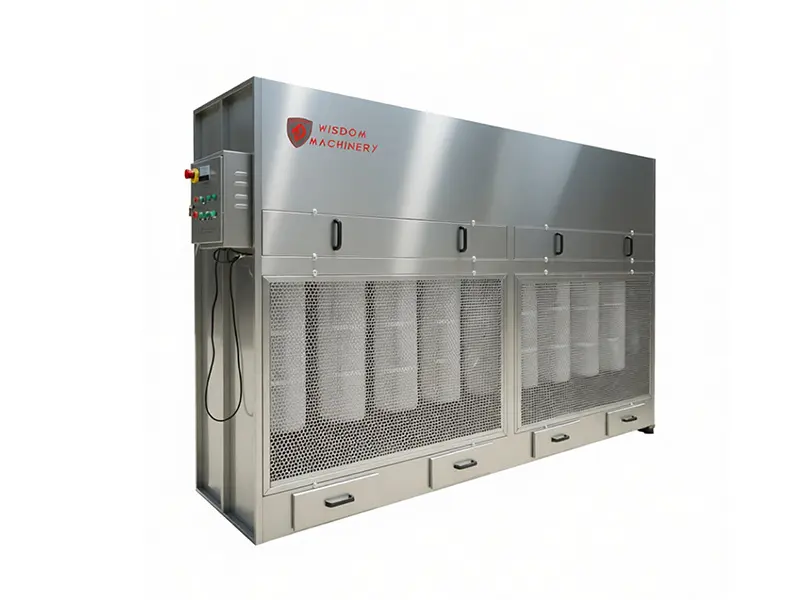
1. Point-Source Extraction vs. Centralized Facility Ducting; 2. Variable Frequency Drive (VFD) Energy Savings; 3. Automatic Pulse-Jet Filter Cleaning Systems; 4. Ductwork Design to Prevent Slurry Settlement; 5. Regulatory Air Quality Testing Protocols
1. Point-Source Extraction vs. Centralized Facility Ducting
Point-source extraction systems are often employed in stone plants to directly capture dust emissions at the source, such as during cutting or grinding processes. While this method can be effective in localized areas, it often falls short of providing comprehensive air quality improvement across the entire facility. In contrast, centralized ducting systems enable a more holistic approach to dust collection. By routing all generated dust through a single collector, these systems ensure that pollutants are effectively contained and filtered before being released back into the workplace environment. Additionally, centralized ducting minimizes the number of modifications necessary in work areas, resulting in a cleaner and more organized workspace devoid of numerous ductwork installations.
The advantage of centralized ducting isn’t merely aesthetic; it significantly enhances the efficiency of industrial air filtration. The design allows for utilization of larger dust collector units that can be equipped with advanced filtration technologies, enabling higher capture rates of silica dust and other harmful particulates.
2. Variable Frequency Drive (VFD) Energy Savings
Another benefit of centralized dust collector systems is the integration of Variable Frequency Drives (VFDs). These devices allow for dynamic control of the dust collector’s motor speed based on real-time airflow and dust load. Instead of operating at full capacity continuously, VFDs optimize energy consumption by adjusting the performance of the dust extraction system in accordance with operational needs. As a result, significant energy savings can be realized, leading to reduced operational costs for stone plants.
The adoption of VFD technology aligns well with modern green initiatives, making stone processing facilities more sustainable. By lowering energy consumption without sacrificing performance, companies can not only reduce their carbon footprint but also improve their bottom line.
3. Automatic Pulse-Jet Filter Cleaning Systems
The efficiency of any dust collection system hinges on its ability to maintain unobstructed airflow. This is where automatic pulse-jet filter cleaning systems become essential. Unlike manual cleaning systems that require regular operator intervention, pulse-jet systems utilize high-pressure air bursts to cleanse filters at set intervals. This automatic cleaning mechanism ensures filters remain at peak performance and prevents dust buildup, which could otherwise compromise air quality.
By integrating this technology into centralized dust collector systems, stone plants ensure continuous, effective filtration of silica dust and other particulates, safeguarding health and enhancing productivity.
4. Ductwork Design to Prevent Slurry Settlement
An often-overlooked aspect of dust collection in stone processing is ductwork design. Properly engineered ducts are critical to preventing slurry settlement, which can occur when moisture and dust combine, leading to blockages and inefficiencies within the system. Effective design not only provides a smooth, unobstructed pathway for airflow but also incorporates features such as smooth bends and slopes to facilitate effective transport of materials.
In centralized systems, ductwork can be tailored to enhance airflow dynamics, ensuring that all expelled dust reaches the collector system without settling in the ducts. This proactive design approach reduces maintenance demands and enhances the overall reliability of the dust collection system.
5. Regulatory Air Quality Testing Protocols
Finally, adherence to regulatory air quality testing protocols is essential for ensuring compliance and safeguarding health in stone plants. Regular air quality assessments, in conjunction with centralized dust collection systems, enable facilities to monitor dust levels meticulously. By utilizing advanced air quality testing tools and methodologies, stone plants can quantify the efficiency of their dust collection efforts and make informed adjustments to their systems.
Compliance with regulations not only protects workers but also reinforces a company’s image as environmentally responsible. This commitment to air quality fosters a positive workplace culture and can drive greater employee satisfaction and retention.
In conclusion, centralized dust collector systems combined with innovative approaches in energy management, maintenance, duct design, and regulatory adherence create a formidable strategy for improving air quality in stone plants. By leveraging advanced technologies and methodologies, these systems serve not only as regulatory necessities but also as facilitators of healthier working conditions and greater operational efficiencies.
Conclusion
In conclusion, as a company with over a decade of experience in the industry, we understand the paramount importance of maintaining high air quality within stone plants. Centralized dust collector systems stand out as a vital solution in mitigating the harmful impacts of dust emissions, not only protecting the health of workers but also enhancing the operational efficiency of facilities. Our journey over the past ten years has highlighted the transformative benefits these systems bring, from improved compliance with environmental regulations to creating a cleaner, safer work environment. As we continue to innovate and adapt in this ever-evolving industry, we remain committed to helping stone plants harness the full potential of centralized dust collection technologies. By prioritizing air quality today, we are not only safeguarding our workforce but also paving the way for a more sustainable future in stone processing. Together, let's build a cleaner tomorrow!
GET IN TOUCH WITH Us
A practical guide to selecting a water wall dust collector for stone grinding and polishing. Compare 304 and 201 stainless steel, fan types and extension booths, and review sizing, electrical safety and maintenance requirements before ordering.
Wisdom Machinery is a professional manufacturer of high-quality stone processing machines.
LINKS
PRODUCT
CONTACT US
Contact Person: Andrew An
Phone Number: +86-15960408060
Email: andrewan@foxmail.com
WhatsApp: +86-15960408060
Address: 486th Wuliqiao Road, Wuli Bridge Development Zone, Shuitou Town, Nan'an City, Fujian Province, China
+86-15960408060
Copyright © 2026 Wisdom Machinery Co., Ltd. |Sitemap